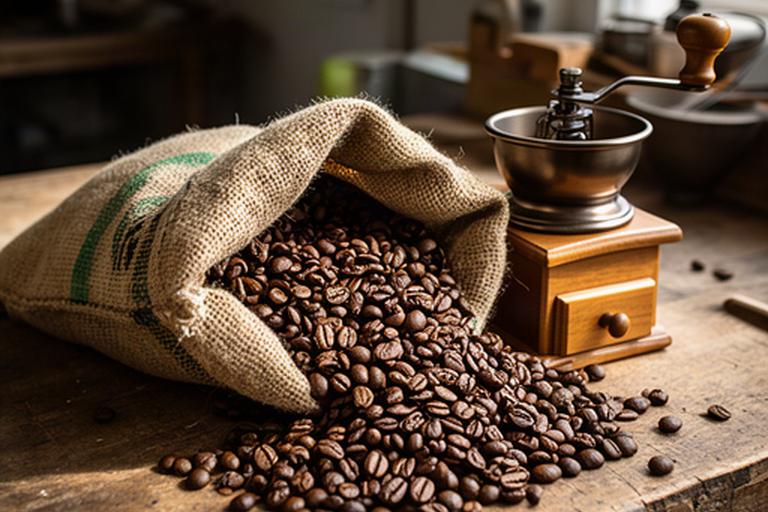
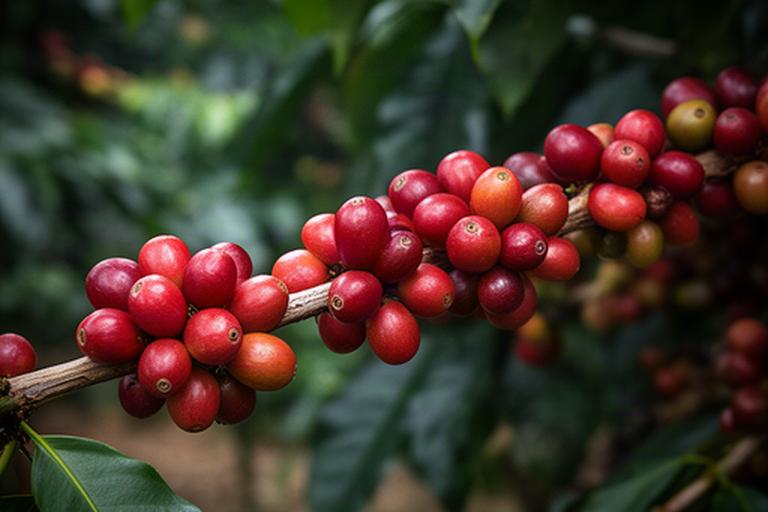
Two coffees from one country can taste worlds apart. Farm, altitude, variety and process shape what reaches your cup, so we show the lot details alongside every coffee we list.
Choose a place you know, or start with a flavour you like. These are traceable coffee beans for curious home brewers who want more than a country name on the bag.
Origin gives you a starting point. The lot tells you what makes this coffee distinct: who grew it, how it was processed, and how the roast brings out its character.
Every listing carries the available farm, cooperative or washing-station details, plus process, variety, altitude, roast and brew advice.
Find your flavour direction
Five origins. Five different cups.
Use these profiles to narrow the shelf, then check each lot page for its exact tasting notes and brewing guidance. Start here.
Coffee arrives with the harvest, so a lot may only stay on the shelf for part of the year. We update the selection as new coffees land; when a lot sells through, its listing makes way for the next one.
Seasonal selection
Follow the harvest, cup by cup
Look for the producer or washing station, harvest information and processing method on each current lot. Those details help explain why a floral washed coffee tastes so different from a fruit-forward natural one.
Availability changes as bags sell through. Check the current listing for bag size, price and dispatch information.
Limited lots
Small lots don't wait
Some coffees come in short runs. Read the lot notes while they're listed, then choose your grind before adding a bag to your basket.
Keep discovering
Meet the next arrival
A rotating subscription gives you a new coffee to explore as selections change. Set your preferred delivery rhythm on the subscription page.
A country name is only the first clue. Use the specification on each listing to compare coffees on the details that change flavour and brewing choices.
Lot profile guide
Make a fair comparison
Compare like with like. A washed Ethiopian lot and a natural Brazilian lot can differ in variety, growing height and cup profile as well as origin.
Pick a flavour direction, then use the published lot notes to choose a bag and grind. Check the product listing for current availability.
Country, region and named farm, cooperative or washing station where available.
Altitude
Growing elevation in metres, when the lot information provides it.
Variety & process
The coffee variety and whether the lot is washed, natural, honey-processed or another method.
Roast & tasting notes
A roast profile and cupping notes to help you choose a brew method.
Brew & availability
Suggested methods and grind guidance, plus the listed bag size and dispatch details.
Use the notes as a guide, not a flavour promise. Water, grinder and recipe all change what you taste.
A simple place to start
How to brew each single origin
Match the method to the roast and the flavour you want. Make one change at a time, then keep the recipe that tastes right to you.
Pour-over
Try floral Ethiopian and bright Kenyan coffees here. A paper filter keeps the cup clear, making fruit and acidity easier to pick out.
Start at 1:16 coffee to water and 92–96°C.
AeroPress
Colombian and Central American lots work well when you want sweetness with a little more body. Adjust the grind and steep time to suit your brewer.
Try 1:15 and water around 90–94°C.
French press & espresso
French press brings out body in chocolate-led Brazilian coffees. For espresso, start with a Brazilian or balanced Colombian lot and adjust to taste.
Rest beans after roast; espresso often benefits from a longer rest.
Freshly roasted coffee needs time to rest. Start with the roast-date advice on the bag, then use our method-by-method recipes to fine-tune your cup. Browse brew methods
Taste a place, not just a blend
Put two origins side by side.
Choose one familiar profile and one that surprises you. Compare the lot notes at home, with UK delivery from Carlisle, Cumbria.